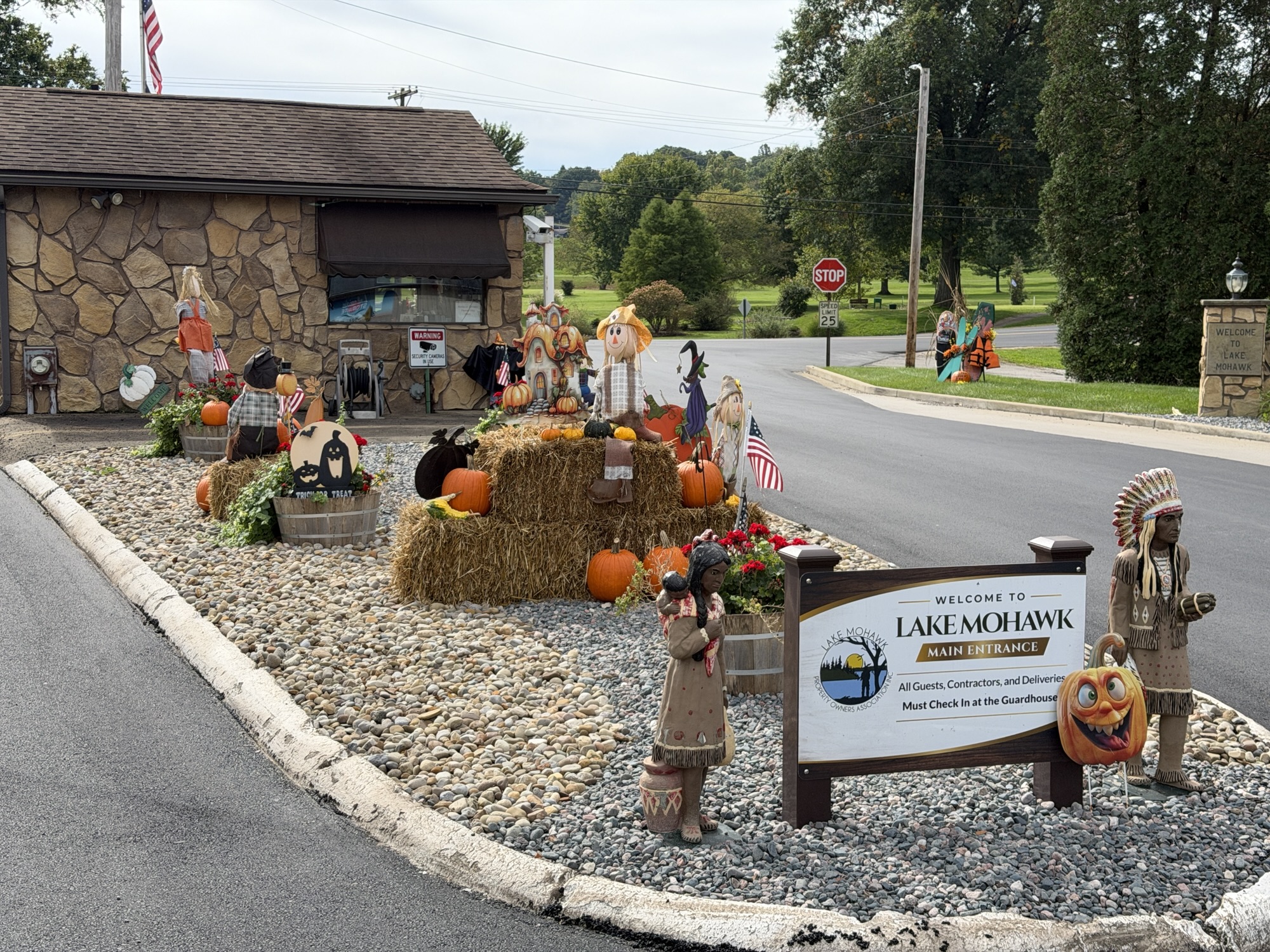
Thank you Lori for the beautiful Fall decorations!


Lake Mohawk 2026 Fall Lake Conditions

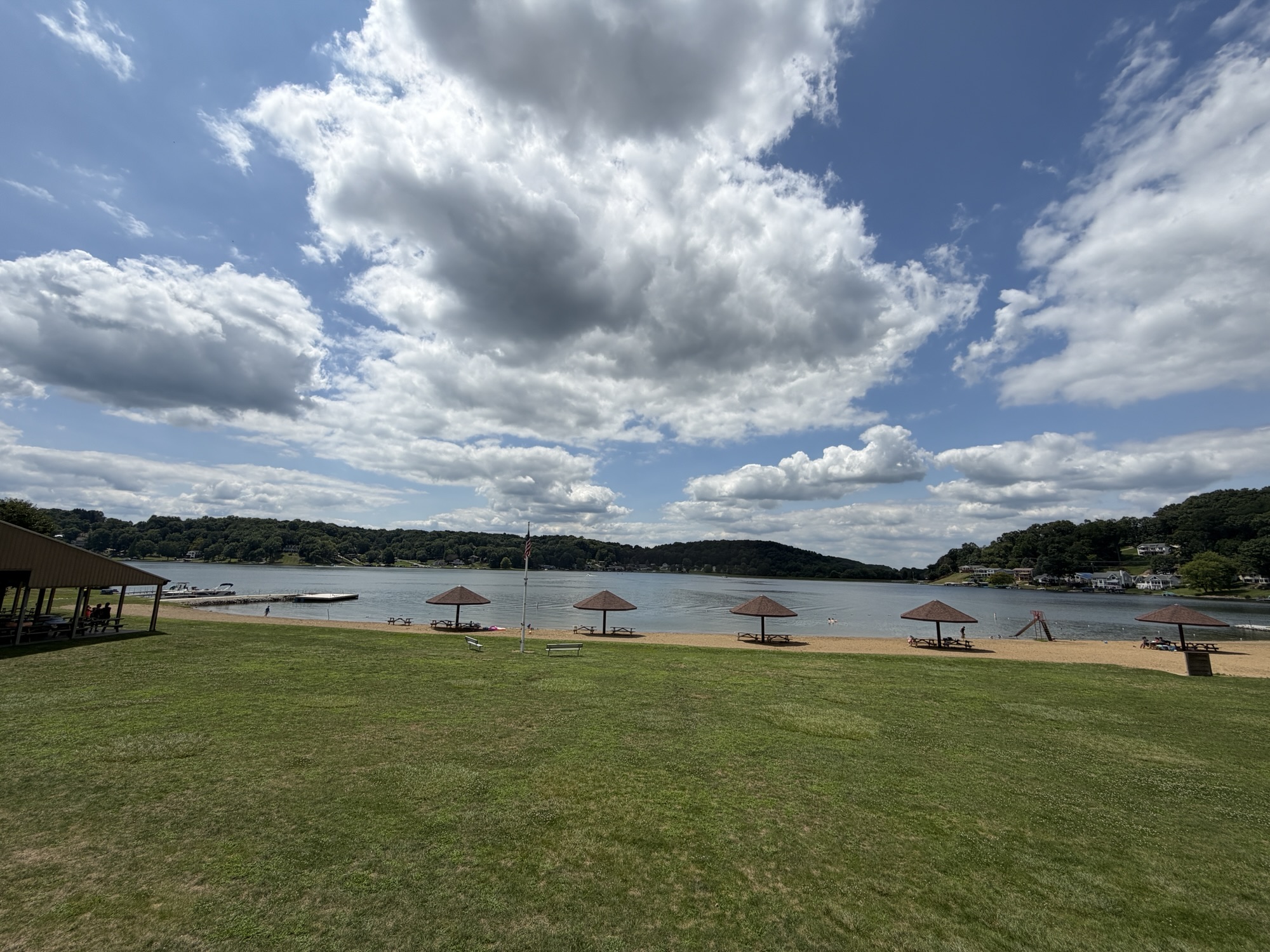
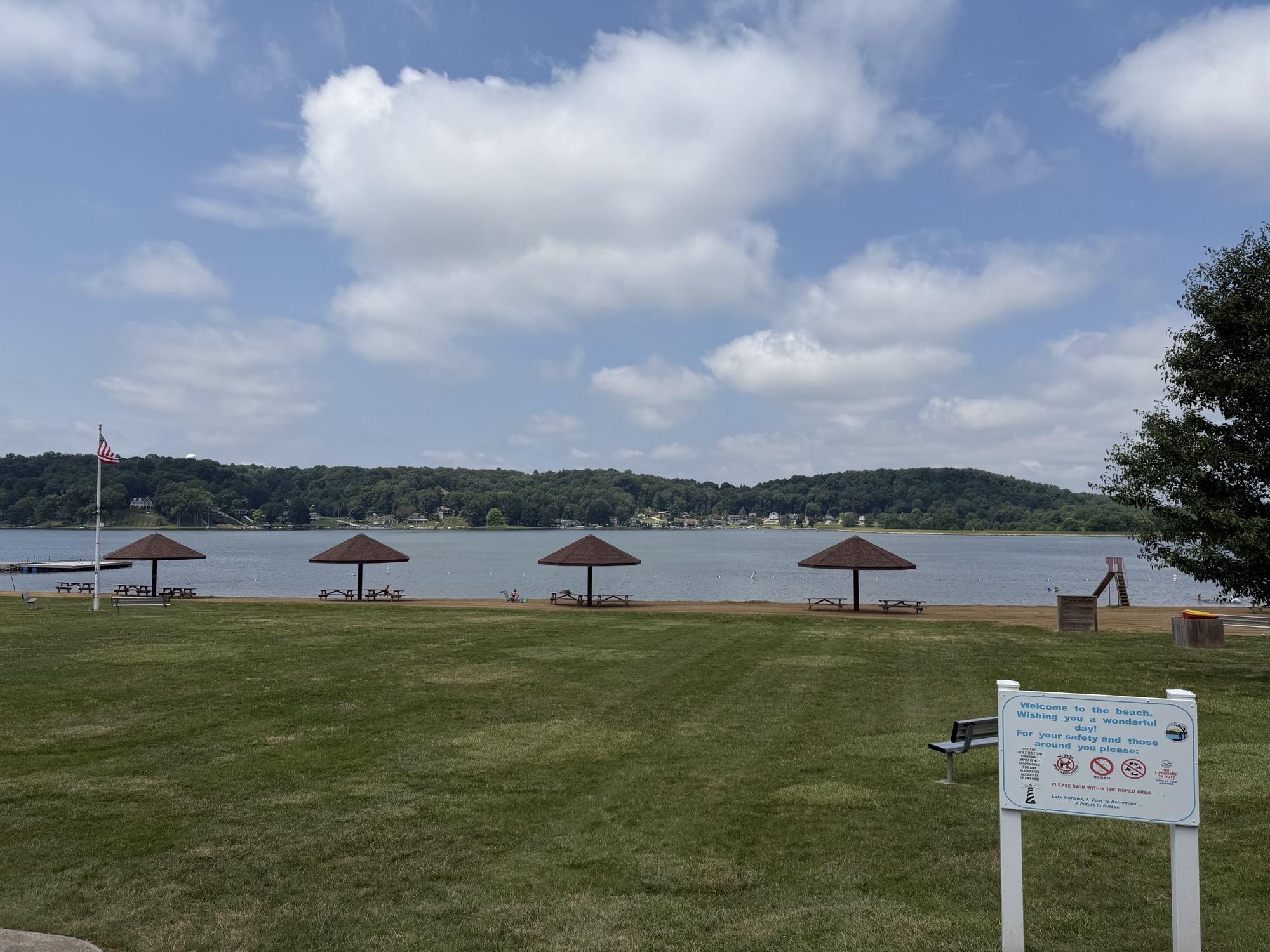
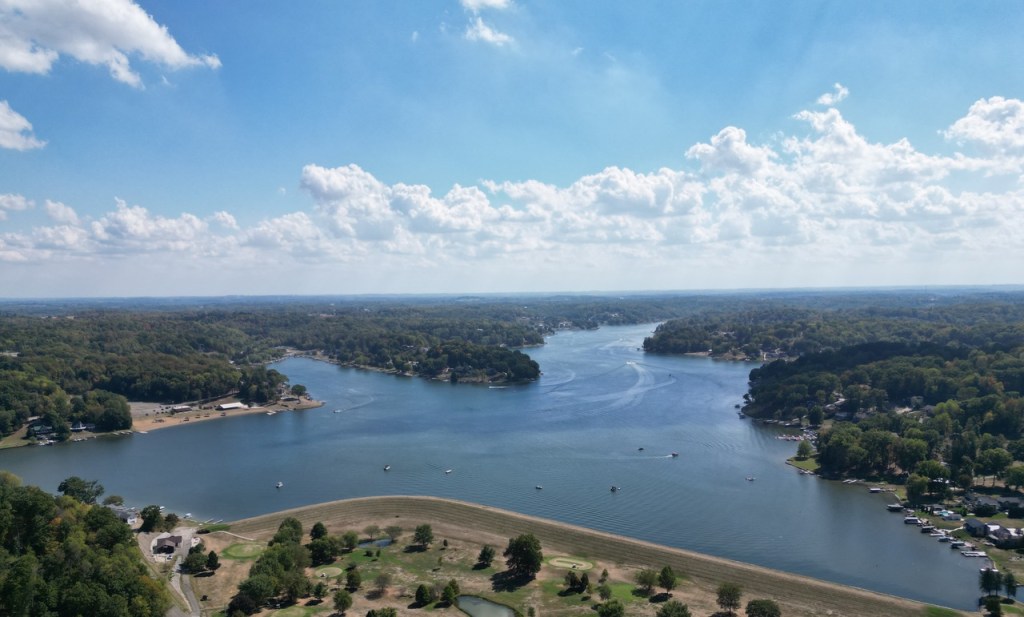
My final 2026 visit to Lake Mohawk yesterday on the last day of September 2026 revealed a beautiful lake with beautiful Fall surroundings consisting of many trees and other vegetation starting to reveal their vibrant colors of Fall. Water conditions were the best they’ve ever been at this time of the season since my association with the lake spanning more than 17 years. Paul Mickley and his crew have done more than an excellent job at managing the lake under very difficult conditions and parameters. If you read through my earlier posts, balancing the wants and needs of a large diverse lake community like Lake Mohawk with the natural biological and ecological aspects of a 500 acre lake is extremely challenging.
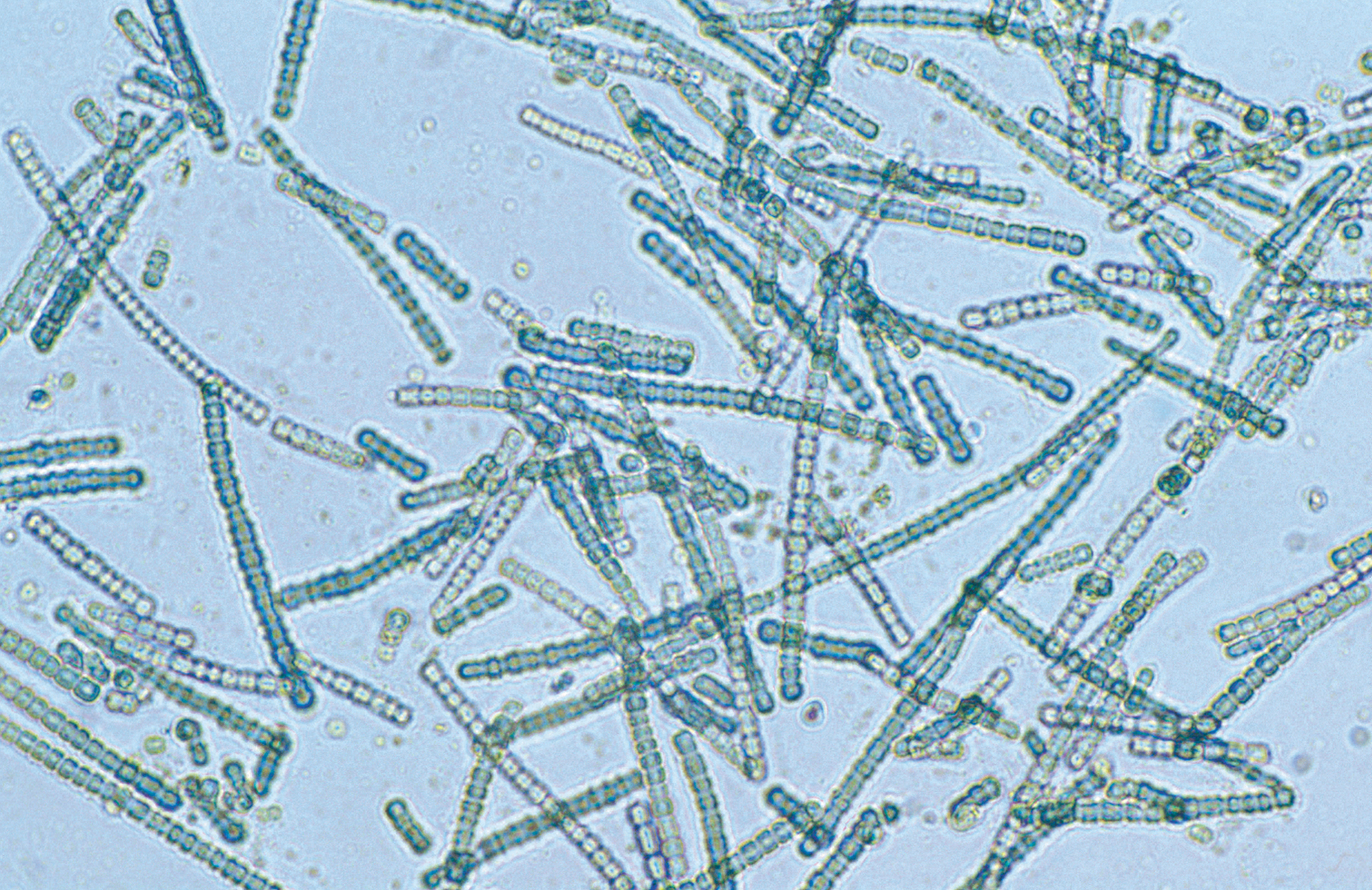
September 29th Ohio EPA Satellite Report 13 detected NO cyanobacteria blooms within the lake which is remarkable for this time of the season ESPECIALLY considering that NO copper algaecide treatments have been applied to the lake this year. Copper as mentioned in earlier posts is non-biodegradable and therefore accumulates in the bottom sediments of the lake where it can reach toxic levels adversely affecting the entire ecosystem of the lake. Also, copper is expensive to purchase and apply from an economic perspective. There are several possible reasons for the natural absence of blue-green algae blooms at Lake Mohawk however two of the most likely reasons include the fact that Paul and crew managed the aquatic plant population in such a manner that it helped naturally suppress the cyanobacteria. The second most likely reason is related to weather. Lake Mohawk like other Ohio lakes are experiencing what I would consider a “gentle” lake turnover season. The cycle and timing of cool/cold nights combined with daytime temperatures and sunlight combine to turn over a lake either slowly or more rapidly. Rapid turnover resulting in large amounts of deep water (hypolimnetic)phosphorus entering the upper layers of the lake (epilimnion/photic zone) often result in short lived blue-green Fall algae blooms. If you look at the Ohio EPA Satellite Report 13, you will notice that there are a number of other Ohio lakes that actually reported cyanobacteria blooms earlier in the season but show no blue-green algae blooms at this time.
Beautiful Swans in Bays 9/10
The wetland area of bays 9/10 is always one of my favorite places to visit and observe at Lake Mohawk. Far back in the wetland area you will notice what appears to be a pair of swans. Notice that no Canadian Geese are around this area. Swans or floating swan decoys are often used for the natural control of unwanted geese populations.

Lake Mohawk 2027 and Beyond
The future of Lake Mohawk is in your hands. Lake Mohawk is a precious and diverse recreational lake that depends upon you and all members of the Lake Mohawk Property Owners Association to protect and preserve this unique aquatic ecosystem and community located in Malvern, Ohio. Lake Mohawk is first and foremost a lake that responds to various activities on and around the lake in addition to the natural year to year variations in weather patterns. Imbalances within aquatic ecosystems can occur quickly and often result in undesirable consequences that can adversely affect the health of humans, pets, and wildlife in addition to affecting recreational value and even property values. I urge all of you to become involved and knowledgeable about your lake. Joining the Lake Mohawk Lake Restoration and Protection Committee is a great place to start. Contact Dave Lange for details. Don’t count on any one person, company, etc.. to totally control what happens in and around your lake. There are plenty of resources on the Internet especially with the advent of AI that can help guide you to the proper management of Lake Mohawk from independent sources.
My Recommendations Going Forward
- The 2026 Jones Fish Survey which is described in detail in earlier posts revealed a significant imbalance in the fisheries. Far too many Crappie exist which is competing for valuable food and space resources with more desirable fish species such as largemouth bass and sunfish. Don’t become alarmed in the Spring when you see dead Crappie after ice off. It is one of nature’s ways to reducing this overpopulation of Crappie. It is NOT from Paul or a crew member applying herbicides to the lake. Follow the recommendations of restocking the lake with sunfish but don’t forget about “harvesting” the over population of the other species of fish in the report. You will just be adding “more mouths to feed” and the Crappie will simply consume and dominate the resources of the sunfish in the long run. In other words, simply stocking fish will only benefit those that sell you the fish and not rebalance the lake.
- Use aquatic herbicides and algaecides sparingly. Remember the simple rule. Aquatic plants help naturally suppress cyanobacteria through a variety of ways such as nutrient competition and sediment stabilization. Define areas where leaving aquatic plants is acceptable. Lakefront property owners that clearly show they use their lakefront areas for swimming or have jet skis docked or jet boats where intakes can become clogged by weeds should receive priority treatment if necessary. Another alternative for those lakefront property owners is to use weighted weed barrier blankets in their area for aquatic plant control. Remember, you have 500 acres of water to enjoy boating, skiing, tubing, etc.. Leaving several acres to nature and the fisheries is a win win situation at the end of the day. In general, the best zone to allow aquatic plants to grow is between 20 to 80 feet from shore. This provides ideal habitat for the fisheries while also dampening the wave affects from recreational activities beyond the 80 foot marker buoys.
- Give thanks and support to Paul Mickley and Crew for being able to manage Lake Mohawk in a sensible manner at a very reasonable cost. The L.M.P.O.A. has saved several hundreds of thousands of dollars over the past several years by not hiring outside contractors to manage the lake. Outside companies often make money by promoting their specific brand(s) of herbicides and algaecides along with aerators, and other chemicals and services.